


Pheet Cracked Heel Balm with Manuka Honey


Pheet Dry Skin Cream
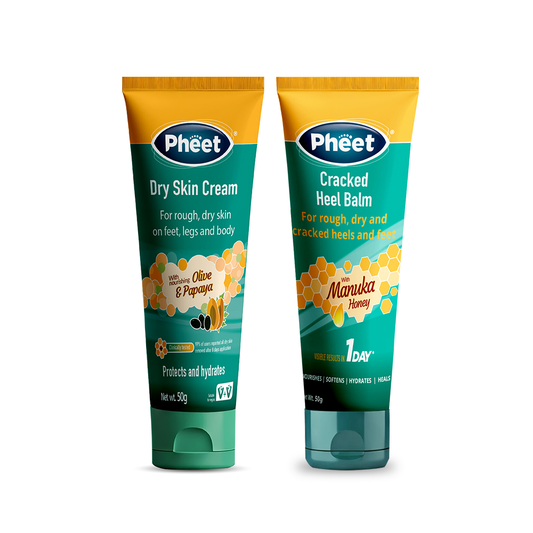

Pheet Dry Skin Cream & Heel Balm Combo
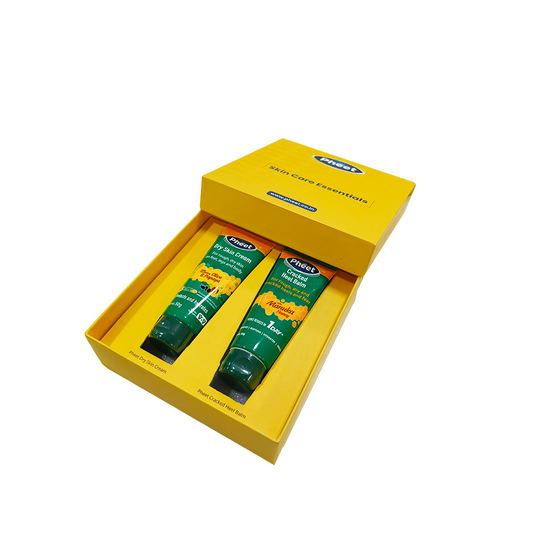

Pheet Skin Care Essentials Combo – Complete Dry Skin & Foot Care
Why Do Feet and Skin Become Dry, Rough or Cracked?
Feet and skin can become dry, rough, or cracked for many simple reasons.
Moisture loss: Our skin naturally needs water and oils to stay soft. When these are lost due to frequent washing, harsh soaps, or aging, the skin becomes dry and flaky.
Friction and pressure: Walking, standing for long hours, wearing tight shoes, or open footwear can create friction on the feet. This thickens the skin and can lead to rough patches and cracks, especially on heels.
Weather changes: Cold air, low humidity, and strong winds reduce skin moisture. In winters or dry climates, skin loses hydration faster and becomes rough.
Lack of proper care: Not moisturizing regularly, skipping foot care, or ignoring early dryness can worsen the condition. Over time, dry skin can harden and crack.
In short, when skin doesn’t get enough moisture, protection, and care, it easily becomes dry, rough, or cracked.
Shop Effective Foot Care and Dry Skin Solutions for Smooth, Hydrated Skin
Dry, rough, and cracked skin can make everyday activities uncomfortable from walking barefoot to simply wearing your favorite sandals. The good news is that with the right care, you can restore softness, hydration, and comfort faster than you think. If you’re looking for reliable solutions that work on stubborn dryness and heel cracks, it’s time to explore targeted foot and skin care designed for real results.
Pheet Crack Heel Balm is specially crafted to soothe painful heel cracks, soften hardened skin, and support skin repair, helping your feet feel smooth and comfortable again. For overall dryness across feet, elbows, knees, and body, Pheet Dry Skin Cream delivers deep nourishment and lasting hydration to revive rough, flaky skin.
Don’t wait for dryness to worsen, give your skin the care it deserves.
The Science-Backed Ingredients in Pheet Cream
Ingredients in Pheet Dry Skin Cream
1. Olive oil (Olea europaea) A nourishing plant oil rich in fatty acids that helps soften skin and reduce dryness by supporting the skin’s moisture barrier.
2. Papaya extract (Carica papaya) Contains natural enzymes that gently smooth rough skin and support skin renewal, helping improve texture over time.
3. Shea butter A well-known emollient that deeply conditions skin and creates a protective layer to lock in moisture.
4. Glycerin A humectant that attracts water into the skin, helping keep it hydrated, soft, and comfortable.
5. Urea Supports skin hydration and smoothness by helping soften rough areas and improving moisture retention.
6. Light liquid paraffin Forms a protective barrier on the skin surface to reduce moisture loss and maintain softness.
Why this blend works: Together, these ingredients combine hydration, nourishment, and moisture-locking benefits, making the cream suitable for daily care of dry, rough skin.
Ingredients in Pheet Cracked Heel Balm
1. Manuka honey (Honey) A natural conditioning ingredient that helps keep skin soft and comfortable while supporting skin repair.
2. Urea Helps soften thick, rough skin and improve hydration, making it useful for dry heel areas.
3. Glycerin Draws moisture into the skin to improve softness and prevent dryness.
4. Petrolatum Creates an occlusive barrier that seals moisture inside the skin and protects against dryness.
5. Beeswax (Cera alba / Bees wax) Provides conditioning and protective benefits while helping maintain skin smoothness.
6. Lanolin An emollient that helps restore softness and flexibility to dry, cracked skin.
Why this blend works: The balm combines humectants, emollients, and protective ingredients to support hydration and comfort in areas prone to cracking.
How to Build an Effective Foot Care Routine
A consistent routine can help keep your feet soft, comfortable, and free from dryness or cracks. Follow these simple steps:
Step 1: Cleanse your feet Wash your feet daily with lukewarm water and a mild cleanser. This removes dirt, sweat, and buildup that can contribute to dryness.
Step 2: Dry thoroughly Gently pat your feet dry with a soft towel, paying extra attention between the toes. Keeping feet dry helps prevent roughness and discomfort.
Step 3: Apply Crack Heel Balm Take a small amount of Pheet Crack Heel Balm and massage it into dry or rough areas, especially the heels. Focus on gentle circular motions to help the balm absorb well.
Step 4: Be consistent Use the balm regularly, ideally once or twice daily, for best results. Consistency helps maintain moisture and supports smoother-feeling skin over time.
Tip: Applying balm at night and wearing soft cotton socks can help lock in moisture and enhance comfort.
Tips to Prevent Dry and Cracked Heels
Moisturize daily Apply a good foot moisturizer every day, especially after bathing, to keep skin soft and hydrated.
Wear proper footwear Choose comfortable, well-fitting shoes with closed backs to reduce friction and pressure on heels.
Maintain foot hygiene Wash your feet regularly and dry them well, particularly between the toes, to avoid dryness and discomfort.
Avoid walking barefoot on rough surfaces Hard floors can increase pressure and lead to thick, dry skin on heels.
Use gentle exfoliation Occasionally remove dead skin with a soft foot file to prevent buildup that can cause cracks.
Stay hydrated Drinking enough water supports overall skin hydration from within.
Small daily habits can go a long way in keeping your heels smooth, comfortable, and crack-free.
FAQs
A richfoot treatment productwith a thick, emollient texture helps soften rough heels, support skin repair, and can be used alongside your regular skincare routine. Basic foot care includes daily cleansing, gentle exfoliation, moisturizing, wearing breathable footwear, and trimming nails properly tomaintainhealthy feet.
Using a moisturizing foot cream after washing keeps skin hydrated and prevents dryness on heels and soles without interfering with other products. Yes, feet should be washed daily with mild soap and lukewarm water to remove sweat, dirt, and bacteria, followed by thorough drying.
A nourishing foot cream can be applied 1–2 times daily, especially on rough or cracked areas, and works well with nighttime skincare routines. Regular moisturizing helpsmaintainthe skin barrier, prevents dryness, and keeps feet soft and comfortable.
A thick, repair-focused foottreatment producttargets flaky, hardened skin and can be layered with socks overnight for better absorption. Treatment also includes gentle exfoliation, avoiding harsh soaps, staying hydrated, and consistent moisturization to restore softness.
Cream-based formulas with a dense texture provide deeper hydration and perform well on rough patches compared to lightweight lotions. The best products for dry skin contain humectants, emollients, and occlusives that attract, smooth, and seal in moisture.
Askin care product for dry skinfor intense hydration offers long-lasting comfort, supports skin repair, and can be used on feet, elbows, and knees alongside other skincare products. Good moisturizers typically include ingredients likeglycerin, urea, ceramides, or natural oils for barrier support.
While topical creams improve surface hydration and texture, underlying dryness may relate to nutritional gaps and should be addressed holistically. Deficiencies in vitamins A, D, E, and essential fatty acids can contribute to dry skin, along with dehydration and environmental factors.
Foot creams usually have a thicker, more intensive texture to tackle calluses and cracked heels, while still being compatible with other body care products. Body moisturizers are lighter and designed for general hydration, whereas foot creams provide targeted repair for tougher skin areas.